Top Mistakes Beginner Skiers Make
Learning to ski for the first time is exciting, but beginner skiers often make common mistakes that can slow progress and reduce confidence on the slopes. From poor posture to choosing runs that are too advanced, understanding these beginner skiing mistakes can help you improve faster and stay safer.
Whether you’re preparing for your first ski holiday or taking your first lesson, here are the top mistakes beginner skiers make — and how to avoid them.
1. Wearing the Wrong Ski Gear
One of the most common beginner skiing mistakes is using poorly fitted equipment or wearing the wrong clothing. Uncomfortable ski boots and bulky layers can make skiing far more difficult.
How to Avoid It:
- Wear waterproof layers instead of heavy clothing
- Ensure ski boots fit snugly without pain
- Use a properly fitted helmet and goggles
- Ask rental staff to size your skis correctly
The right ski gear improves comfort, mobility, and overall performance.
2. Leaning Back While Skiing
Many beginner skiers lean backward when they feel nervous or pick up speed. Unfortunately, this reduces control and makes turning more difficult.
Why It Happens:
Beginners naturally try to move away from the slope, especially on steeper terrain.
Correct Ski Posture
Keep knees bent
Stay centered over your skis
Press your shins gently against the front of your boots
Proper balance helps you ski more smoothly and confidently.
3. Looking Down at Your Skis
New skiers often focus on their feet instead of looking ahead. This can negatively affect balance and reaction time.
Keep your eyes focused downhill and look toward where you want to go. Your body naturally follows your vision while skiing.
4. Choosing Slopes That Are Too Difficult
Trying advanced ski runs too early is one of the biggest mistakes beginner skiers make. Difficult slopes can quickly lead to fear, poor technique, and injuries.
Master beginner runs before progressing to steeper terrain. Confidence develops through repetition and controlled practice.
5. Standing Too Stiff
Rigid posture makes skiing harder because your body cannot absorb movement properly.
Maintain an athletic stance:
- Knees bent
- Hips relaxed
- Hands forward
- Weight centered
Flexible posture improves stability and control on snow.
6. Turning With the Upper Body
Many beginner skiers try to force turns using their shoulders and arms rather than their legs and skis.
Good ski turns come from:
- Lower body movement
- Weight transfer
- Ski edging
Your upper body should remain relatively stable while facing downhill.
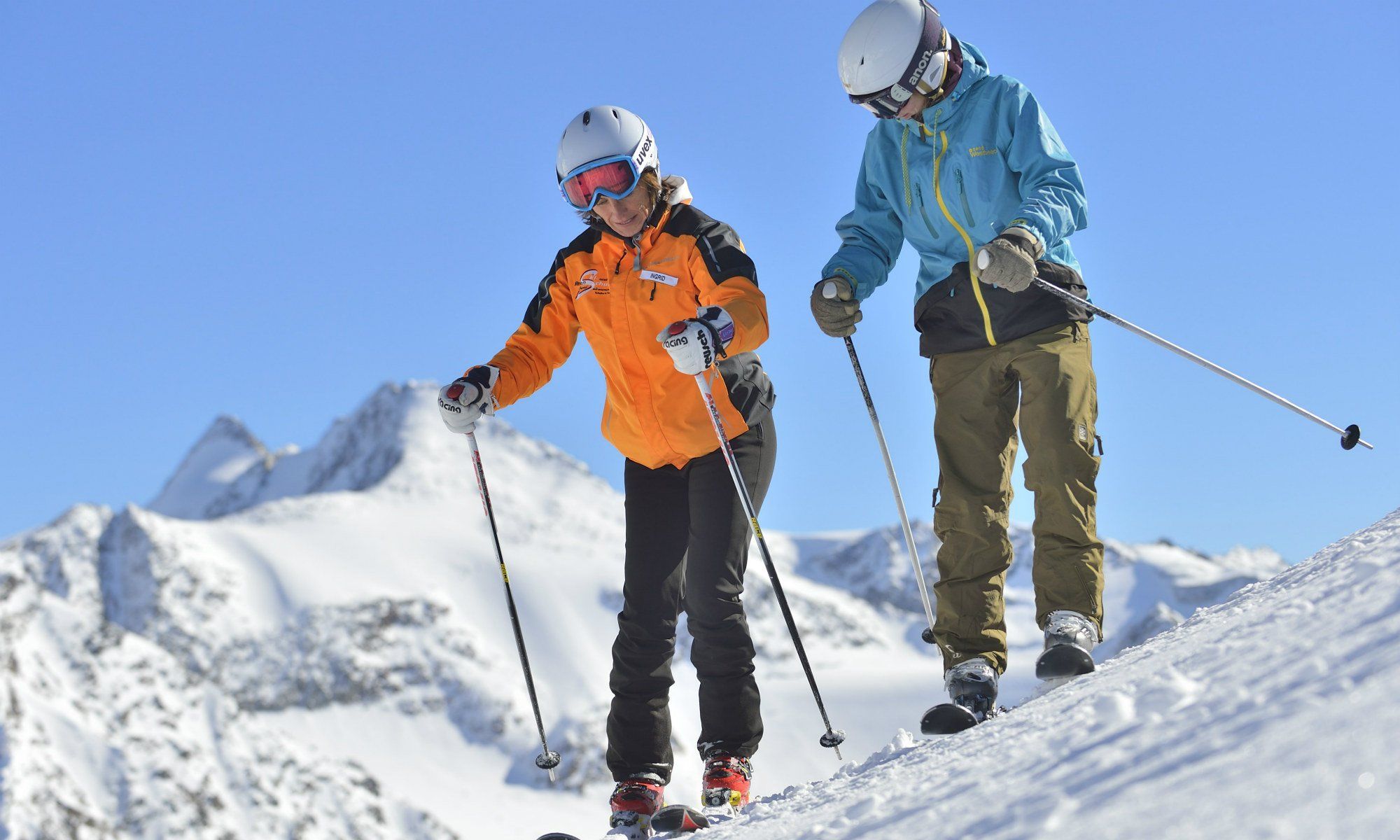
7. Skipping Ski Lessons
Some beginners rely entirely on friends or videos instead of taking professional ski lessons. While self-learning is possible, professional instruction speeds up progress significantly.
Benefits of Ski Lessons:
- Learn correct technique early
- Improve safety awareness
- Build confidence faster
- Avoid developing bad habits
Even a single lesson can make a major difference for beginner skiers.
8. Not Learning How to Stop Properly
Learning how to stop safely is essential before gaining speed on the slopes.
Practice the wedge or “pizza” position:
Ski tips closer together
Ski tails apart
Gentle pressure on inside ski edges
Controlled stopping helps beginner skiers feel more secure.
9. Skiing Until Exhausted
Skiing uses muscles that many beginners are not used to training. Fatigue quickly affects technique and concentration.
How to Prevent Fatigue:
- Take regular breaks
- Drink enough water
- Eat energy-rich meals
- Stop before exhaustion sets in
Rested skiers learn faster and reduce injury risk.
10. Being Too Afraid to Fall
Falling is part of learning to ski. Many beginner skiers become tense because they fear making mistakes, which often makes balance harder.
Every skier falls — including experienced ones. Relaxing and staying patient helps you progress more naturally.
Final Thoughts
Every skilled skier started as a beginner. By avoiding these common beginner skiing mistakes, you can improve your technique, build confidence, and enjoy your time on the mountain much more.
Focus on strong fundamentals, practice consistently, and progress at your own pace. With time and experience, skiing becomes one of the most rewarding outdoor activities you can enjoy.